Transforming Your Space: Kitchen Remodels and Backflow Repair in Salt Lake City
Kitchen remodels typically focus on the visual impact of custom cabinets, quartz countertops, and modern appliances. Yet, the most vital components of your newly designed space remain hidden behind the drywall. Altering your kitchen’s footprint or upgrading appliances fundamentally changes your home’s plumbing dynamics.
Managing these hidden changes correctly is essential to maintaining clean drinking water for your family. If you discover failing pressure valves during a renovation, you may need backflow repair in Salt Lake City. For homeowners across the Wasatch Front, Empire Plumbing provides the certified expertise required to keep household water systems secure, efficient, and compliant with local health regulations.
The Connection Between Kitchen Renovations and Plumbing Dynamics
When planning a major kitchen overhaul, it is easy to underestimate how aesthetic changes impact the underlying plumbing infrastructure. Moving a sink to a new island, upgrading to a high-capacity dishwasher, or installing a pot filler all require significant adjustments to your water supply lines. These modifications can alter the internal pressure of your home’s water system, creating unforeseen vulnerabilities.
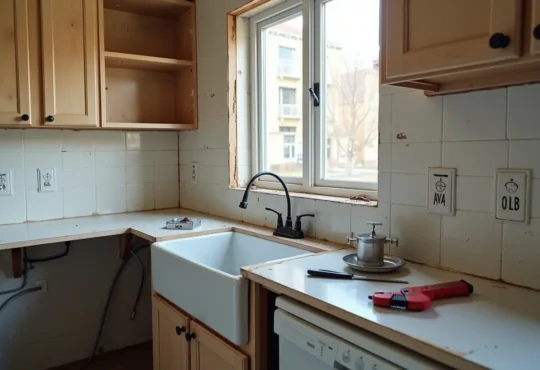
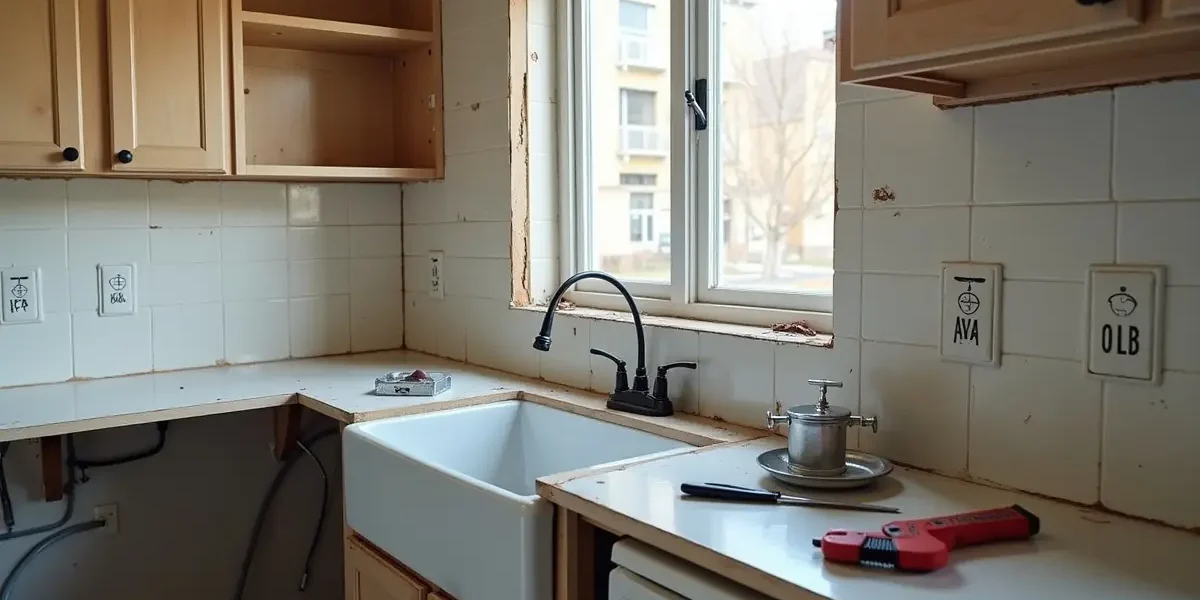
A renovation presents the perfect opportunity to address aging infrastructure before new cabinets and flooring are permanently installed. Walls and subfloors are opened up during demolition, providing easy access to pipes that may have degraded over decades. By assessing your plumbing during the early stages of a remodel, you can identify hidden leaks, outdated materials, and failing safety valves that could compromise your water quality.
Failing to address these systems can cause serious issues once the project is complete. A newly finished kitchen can be damaged if a pressure shift causes wastewater to flow backward into your clean water lines. Consulting a plumbing expert early in the design phase is just as important as selecting the right countertops or flooring.
Understanding Backflow: A Threat to Your Clean Water
To protect your newly remodeled kitchen, it helps to understand how water travels through your home. The municipal plumbing system is designed to maintain consistent forward pressure, ensuring clean water flows into your fixtures while wastewater drains safely to the sewer. However, unexpected structural changes or pressure drops can cause this directional flow to reverse.
This reversal is known as backflow. When it occurs, contaminated water carrying bacteria, cleaning chemicals, or household waste can be drawn into the drinking water supply. This cross-contamination poses a health risk and violates the safe drinking water guidelines established by environmental and health departments. Backflow preventers are mechanical devices installed within the plumbing system to ensure water flows in only one direction, acting as a crucial line of defense.
During a remodel, tying new appliances into existing water lines or temporarily shutting off the main supply can disrupt your home’s pressure balance. If your property lacks proper backflow prevention, or if the existing devices are old and malfunctioning, your potable water supply is placed at risk the moment the main line is turned back on.
How Backsiphonage and Backpressure Disrupt Your Water Supply
Backflow generally occurs through two mechanisms: backsiphonage and backpressure. Backsiphonage happens when there is a sudden drop in water pressure within the main supply line. This creates a vacuum effect inside the pipes, drawing contaminated water backward into the clean water network. A burst city water main or the use of neighborhood fire hydrants can trigger this rapid pressure drop.
Backpressure occurs when the pressure in your downstream plumbing system becomes greater than the pressure in the municipal supply system. In a residential setting, this might be caused by malfunctioning thermal expansion tanks, pressurized irrigation systems, or high-pressure kitchen appliances. When the downstream pressure overpowers the supply pressure, dirty water is forcefully pushed backward into the clean water lines.
Recognizing When Your Project Requires Backflow Repair in Salt Lake City
Not every cosmetic kitchen update requires complex plumbing interventions, but structural remodels demand a careful evaluation of your home’s safety systems. If your home already has a backflow prevention device installed, the disruption caused by a renovation often highlights pre-existing wear and tear. Aging rubber seals, mineral buildup from hard water, and worn check-valve springs can cause a preventer to fail when you rely on it most.
When contractors test new plumbing configurations or restore water service after structural changes, you might notice fluctuations in water pressure, discolored water, or unusually slow drainage. These are indicators that your prevention valves are struggling to maintain the correct directional flow. Ignoring these early warning signs can compromise your renovation and jeopardize your household’s health.
Addressing mechanical failures promptly is essential for project safety. Securing professional backflow repair in Salt Lake City ensures your home’s primary defense against cross-contamination is restored. Specialized technicians can repair or replace the complex components of your preventer valves with precision, allowing your kitchen remodel to proceed without safety hazards.
Renovation Scenarios That Trigger Plumbing Inspections
Certain modern kitchen upgrades are known for shifting internal water pressure and triggering the need for a thorough plumbing inspection. The installation of deep, commercial-style sinks equipped with high-pressure sprayers can alter how water moves through your localized branch lines.
Similarly, integrating under-sink water filtration systems, indoor irrigation lines for herb walls, or smart refrigerators can inadvertently connect potable and non-potable pathways. Whenever these advanced features are introduced to an older plumbing framework, testing your existing backflow prevention devices becomes a necessary diagnostic step in the remodeling process.
Meeting Utah Building Codes With Empire Plumbing
A successful kitchen remodel isn’t just about executing a beautiful design; it also requires strict adherence to municipal building codes. Local regulations across Utah, Davis, and Salt Lake Counties enforce modern plumbing safety standards to protect the public water supply from residential contamination. When you alter your home’s plumbing footprint, health department regulations often require that affected backflow devices be tested and certified.
This level of compliance requires more than a basic understanding of pipes and fittings. It requires licensed specialists trained in backflow prevention, diagnostic pressure testing, and preventative maintenance. Empire Plumbing and Heating provides this technical expertise for both residential and commercial clients.
Partnering with Empire Plumbing during your renovation eliminates the guesswork associated with code compliance. Their technicians ensure that every newly installed appliance and re-routed pipe meets the safety requirements of the Wasatch Front. This proactive approach prevents costly violations, delays in inspections, and the headache of tearing out newly finished drywall to correct plumbing errors.
Practical Steps to Safeguard Your Plumbing During a Remodel
Integrating plumbing evaluations into your remodeling timeline doesn’t have to be an overwhelming process. By taking a few strategic steps early in the planning phase, you can ensure your project runs smoothly and your household water remains safe.
Consider these best practices when preparing for an upcoming kitchen renovation:
- Consult a certified plumbing specialist during the design phase to review the proposed layout and appliance specifications.
- Request a professional test of your home’s baseline water pressure to identify potential vulnerabilities before connecting new, high-demand fixtures.
- Schedule professional backflow testing if your existing plumbing lines will be significantly altered, temporarily capped, or tied into whole-home filtration systems.
- Take advantage of open drywall and exposed subfloors to replace aging, corroded pipes and outdated valves nearing the end of their lifespan.
- Ensure all tradespeople working on your project understand the local health department requirements for cross-connection control.
Securing Your Home’s Water Quality
A thoughtfully executed kitchen remodel should enhance both the visual appeal of your home and the functionality of its essential systems. While custom cabinetry and modern appliances define the look of your space, a robust, professionally maintained plumbing network ensures long-term safety and livability. Prioritizing mechanical safety during a renovation ensures the water your family relies on remains clean and free from cross-contamination.
Don’t let a failing prevention valve turn your kitchen investment into a costly plumbing issue. As you plan your next major home upgrade, trust the expertise of Empire Plumbing to protect your household’s health and infrastructure.
From executing the initial municipal compliance testing to delivering comprehensive backflow repair in Salt Lake City, investing in professional plumbing oversight guarantees your new kitchen is built on a foundation of safety and lasting quality.





 Hi I'm Joe.