How Can Homeowners Spot Early Signs That a Drain Needs Cleaning?
The majority of drainage issues do not arise from being fully blocked at first. Most of these drainage issues arise from minor changes that are not immediately noticeable. Some of the signs include slow drainage, strange noises from the sink, and a smell here and there.
The homeowner who notices these minor signs can act on them before they cause more issues, such as pooling water, stress on pipes, or even frequent backups. Being observant of daily drain behavior can give clues when there is a buildup in the drainage line.
What To Watch For
Slow Drainage Is Often the First Clear Clue
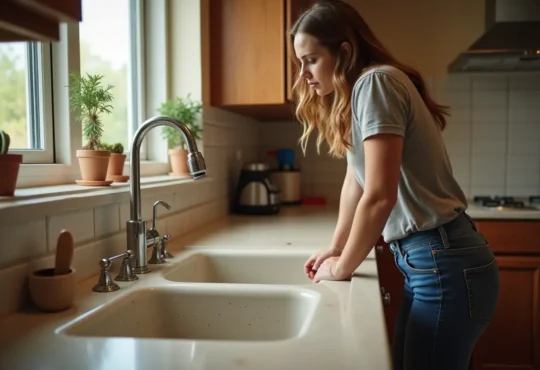
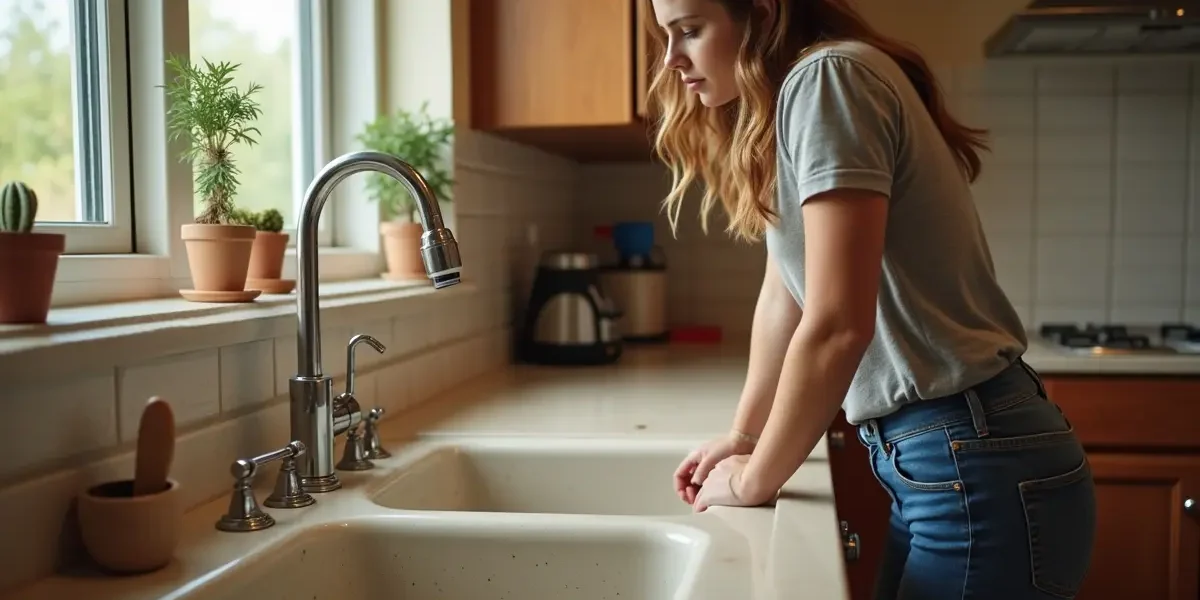
Among the most common warning signs that the drain needs cleaning is slowed drainage that occurs more frequently than before. While the water will continue to flow down the drain, its progress will no longer be as fast as it used to be. In the kitchen, this phenomenon can manifest as water standing by the drain, forming a thin layer of murky liquid. In a bathroom sink or bathtub, water may accumulate near the user’s feet or take an excessively long time to drain.
This situation indicates that some material is accumulating in the pipeline, thereby reducing the available water diameter. As the phenomenon is gradual, many users tend to overlook it at the early stages and do not react quickly enough.
However, it can soon become apparent and begin to interfere with people’s daily activities. A regularly slowed drain is not just an annoyance. In many cases, it shows that a problem is developing. When such an issue occurs across multiple drains, it may indicate problems elsewhere in the pipeline.
Sounds and Odors Can Reveal Hidden Buildup
Unusual sounds and smells are another indication that your drain may need professional servicing. A proper drain line should move water without making excessive noise. When you notice any gurgling, bubbling, or hollow drainage sounds emanating from the sink, shower, or bathtub whenever you use one of these fixtures, it means that there is some air movement occurring in the drain line. In this case, the movement of water through a clogged line traps air pockets in the flow.
Similarly, anything that blocks the flow of water in the drain will trap any rotting matter in the drain line, causing foul smells around the drainage point. If the kitchen drains have a sour, fatty, or putrid smell, it means food particles are accumulating in the drain line. Similarly, bathroom drains with a musty odor indicate the accumulation of hair, soap, and water in the drain line.
In many homes, professional drain cleaning services are considered after these smells and sounds recur, because they often point to buildup that ordinary rinsing will not remove. When odors return soon after cleaning the surface around the drain, the source is often deeper inside the line.
Repeated Clogs Show the Problem Is Growing
While there could be various reasons for an isolated clog, a series of such events means that there is probably an accumulation problem inside the pipe rather than just one occurrence. When sinks, showers, or tubs need to be plunged frequently, there is likely a heavy buildup inside the pipes, causing a blockage.
Such problems often occur in areas where pipes must constantly handle soaps, grease, hair, and food waste. Although homeowners believe everything is fine because water is flowing through the pipes again, the fact that this process repeats itself indicates that the original blockage remains. The recurring problems tend to worsen over time, becoming more frequent and more irritating. For example, while one might experience kitchen sinks clogging every few months at first, one might see the same thing occur every few weeks.
Moreover, whereas the shower drain used to clog only after prolonged, intensive use, it now clogs much sooner as the flow rate slows. Therefore, such occurrences indicate that the drainpipe no longer has sufficient space.
Water Behavior Around the Home Can Point to Drain Trouble
Homeowners can also glean valuable insights by observing how water flows through interconnected fixtures in their homes. Drain problems are not necessarily localized to just one bathroom sink or bathtub. In some cases, water problems in other fixtures can be linked back to a blockage or constriction elsewhere in the pipes.
A case in point is when using the toilet causes bubbles to appear in the shower drain, or when running the washer causes water to spill out of the utility sink drain. All of these indicate a problem with the wastewater flow in the pipes.
Other subtle signs might include a temporary rise in water level in one drain after using another fixture, persistent wetness in floor drains, or inconsistent flow when draining the sink basin. These signs might seem unremarkable taken individually, but when considered collectively, it becomes apparent that there is something wrong with the drainage system.
This does not mean that homeowners should fixate on the seemingly problematic fixture alone. Rather, they should consider the overall behavior of the entire drainage system when using it day to day.
Changes in Daily Use Should Not Be Ignored
An additional sign that homeowners need drain cleaning is when daily routines must change to cope with the issue. A well-functioning drain does not prompt one to change their behavior around water usage. If an individual becomes unable to use their bathroom or sink without planning due to fear of overflow, it indicates a problem with the drain.
The change happens slowly, and people tend to ignore it easily. People tend to change their water-use habits, doing things like using garbage disposals longer or plugging more frequently, without realizing that their drains have changed.
Another example of such changes is frequent hair removal in baths, yet not noticing clogs deeper in the drain. All these actions are not only changes in people’s behavior and routines, but also the signs of problems with drainage functionality.
People may start noticing those changes, but they may not realize the situation could worsen soon, leading to water damage, foul odors, and other problems. In most cases, it is difficult to miss the signals that something is wrong with the drain.
Early Attention Helps Prevent Bigger Problems
Homeowners may be able to detect when their drains need cleaning by observing slow drainage, recurring clogs, unusual noises, foul odors, and other signs that affect how their fixtures function. This is usually the case because these symptoms appear before total clogging occurs.
In essence, it pays to act on symptoms rather than wait for something serious to happen. It is also important to know that drains are constantly in use, meaning any buildup inside will only continue to grow. By acting on early warning signs of clogged drains, homeowners will be helping themselves.



 Hi I'm Joe.