

Renovating Without the Ruin: 9 Expert Tips for Surviving Your Home Construction
Starting a home remodel is a decision rooted in optimism and future comfort. You see the stunning finished kitchen or the luxurious master bath. Yet, the road to that vision—the reality of living in a construction zone—is often paved with dust, frustration, and disruption. Successfully navigating this period requires a proactive strategy that addresses both the physical chaos and the psychological toll of continuous home construction.
This comprehensive guide offers nine essential, expert-backed tips designed to help you maintain your sanity, protect your investment, and ensure a smoother path to completion. We focus on two key pillars: the non-negotiable value of Strategic Escape and the necessity of Strategic Engagement with top-tier professionals.
Contents
Pillar 1: Strategic Escape—The Art of Getting Out of the House
The single most effective tool for surviving a major renovation is planned, intentional time away. You cannot effectively oversee a project while constantly residing in a stressful, dusty environment. Schedule your escape strategically—especially during the worst phases—to give contractors unhindered access and yourselves a vital mental reset.
Tip 1: Time Your Vacation with the Worst Phase
Identify the two or three most disruptive phases of your remodel (typically demolition, heavy structural framing, or wall removal) and schedule your most significant time away during these periods. This grants your contractors maximum productivity and guarantees your distance from the peak noise and debris.
Tip 2: Invest in a Custom, Stress-Relieving Journey
Don’t just plan a local weekend trip; elevate your time away to a restorative adventure. Framing your construction break as a dream vacation makes the time spent in construction worthwhile. Companies like Landed Travel specialize in custom luxury travel, crafting tailor-made itineraries to stunning destinations like Latin America and Antarctica.
- Benefit of a Major Trip: When you are across the globe, you are forced to mentally check out from the daily project hiccups, returning refreshed and ready for the final stages.
- Logistics Check: Ensure you provide your general contractor (GC) with a single point of contact (a trusted friend or site manager) while you are traveling, maintaining clear communication without constant personal intrusion.
Tip 3: Establish a Temporary ‘Home’ Away From Home
If a faraway vacation isn’t feasible, temporary relocation can be just as beneficial. Renting a nearby short-term furnished apartment or extended-stay hotel can provide a sense of normalcy and a dust-free environment.
- The “Workcation” Mindset: A temporary rental should replicate your daily routine as much as possible, offering separate work and rest areas.
- Mandatory Weekend Resets: Even if you stay primarily in the house, commit to mandatory monthly weekend retreats at a local hotel or spa. A guaranteed 48 hours away from the work zone is essential for emotional resilience.
Pillar 2: Strategic Engagement—Hiring the Best Professionals
The quality of your finished home and the stress level of your remodel directly correlate with the expertise of your hired team. A DIY mindset or cutting corners on critical trade professionals is the fastest route to delays, code violations, and expensive rework.
Tip 4: Vet Your General Contractor (GC) Thoroughly
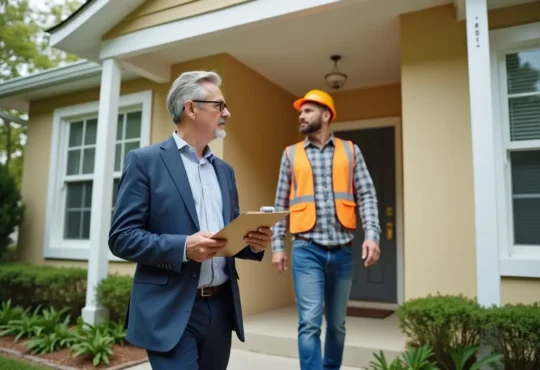
Your GC is your project manager, primary communicator, and the shield between you and the inevitable chaos. They must prioritize clarity and organization.
- Seek a Seamless Process: Look for remodelers who emphasize a smooth, step-by-step process. Companies like Renovate Ease, for example, focus on taking clients from consultation and design through to final walkthrough with a clear, seamless process. This commitment to ‘ease’ and transparent project management is critical for reducing homeowner stress.
- The Three C’s: Check their credentials (licensed, bonded, and insured), communication style (clear, prompt, and honest), and client referrals (ask to speak to the last three clients).
Tip 5: Prioritize Specialized, Licensed Trade Professionals
While the GC manages the big picture, specialized tradespeople handle the critical systems that keep your home safe and functional. Never let unlicensed individuals work on plumbing, electrical, or structural components.
- Plumbing is Non-Negotiable: Water damage and system failures are costly and pervasive. Investing in expert plumbers is key to long-term home health. A professional firm like Empire Plumbing & Service, which offers specialized services such as whole-home re-piping, water main, and sewer line replacements, is a necessary partner. Their expertise ensures that the hidden infrastructure is robust, preventing costly emergencies after the walls are sealed.
- Secure Permits: Ensure your GC is responsible for obtaining all necessary municipal permits and managing the required inspections.
Tip 6: Maintain a Strict Financial and Communication Plan
Set clear expectations for payment and communication to avoid conflict and budget overruns.
- Payment Schedule: Only pay for completed phases. Hold back a standard retainage (usually 10%) until the final walkthrough is complete, all issues are resolved, and you have signed off on the project.
- Daily Communication: Agree on a daily check-in method (text, email, or brief meeting) for progress updates and to address urgent issues promptly.
Pillar 3: Mastering the Domestic Disruption
For the days and weeks you are at home, establishing clear boundaries and temporary systems will make the environment livable.
Tip 7: Create a Dust-Proof, Sealed Barrier
Dust is the enemy of sanity, health, and clean electronics. You must actively contain the construction zone.
- Containment: Use heavy-duty plastic sheeting and painter’s tape to completely seal off the work zone from the occupied areas. Use floor protection, especially on high-traffic routes used by workers.
- Air Quality: Request your contractor to use negative air pressure machines (air scrubbers) to vent dust outside, filtering the air and keeping the particles from circulating throughout your home.
Tip 8: Set Up a Fully Functional Micro-Kitchen
If your kitchen is being remodeled, you will need a dedicated temporary cooking area to maintain a semblance of normal life.
- The Setup: Utilize a laundry room, garage, or spare room. Equip it with a large cooler or mini-fridge, a microwave, an electric hot plate, and a toaster oven.
- Simplify: Rely on disposable/compostable plates and cutlery to minimize the lack of a proper sink. Embrace simple meals and takeout to reduce the burden of cooking.
Tip 9: Establish Firm Boundaries for People, Pets, and Routines
Protect your family’s routines and your valuable belongings from the workers and the mess.
- Safe Zone: Designate a specific, quiet, and off-limits area for children and pets. Consider boarding pets during the nosiest weeks.
- Noise Control: Invest in high-quality noise-canceling headphones for work, relaxation, and sleep.
- Clear Rules: Communicate firm rules about worker access (e.g., use of only one designated bathroom, no smoking on the property, defined working hours).
Conclusion
Renovating is a marathon, not a sprint. By adopting the principles of Strategic Escape—booking that restorative trip with a planner like Landed Travel—and Strategic Engagement—partnering with process-focused experts like Renovate Ease and specialized tradespeople like Empire Plumbing & Service—you can shift your focus from surviving the construction to planning for the enjoyment of your new space. A well-planned renovation should transform your home without destroying your peace of mind.



 Hi I'm Joe.