Why Regular Property Maintenance Is the Key to Protecting Your Home Value
Your house is likely the largest investment you’ll ever make. Treating it as such, rather than simply a place to hang your hat, changes your perspective on each and every necessary repair you put off and required inspection you shrug away. The difference between a well-maintained property and a neglected one isn’t always visible from the street.
But it shows up clearly in valuations, in survey reports, and eventually in what a buyer is prepared to pay. Maintenance isn’t just upkeep – it’s how you protect what the asset is worth.
Contents
The Financial Case For Staying Ahead Of Problems
There’s a predictable chain reaction that follows every ignored repair. Take a leaky gutter: a straightforward job to clear, until it isn’t. Water gets into the fascia. The roof structure is next. Then the ceiling beneath it starts to go. At that point, the bill isn’t just higher – it’s 30 or 40 times what clearing the gutter would have cost in the first place.
For homeowners, the “1% Rule” is the ball-park figure to start from: set aside roughly 1% of the value of your property a year to maintain it. That’s £4,000 a year on a £400,000 house – or enough to pay for servicing, minor repairs, and all those seasonal appointments. It’s a sum that seems excessive until you have to pay the bills for a few catastrophic failures because you didn’t maintain everything else.
This is not maintenance, it’s asset management.
What Buyers Actually Look For Now
Buyer behavior has changed. With higher labor and material costs, people have become much more reluctant to take on project houses. Previously, buyers would look at a project house as an opportunity. Now many view it as a liability.
Turnkey properties – in which you can literally turn the key and find yourself at home – command a significant premium in most markets. People will pay over the odds for a similar house in order to avoid the upheaval and worry of managing a renovation themselves. A lot of that premium is created by steady maintenance over time.
A maintenance logbook speeds up this process. If a seller can present a buyer with documented evidence of professional maintenance – boiler checks, electrical tests, roof maintenance – then the buyer has no cause for concern. They can see that the property has been managed rather than simply painted a week before going on the market. Surveyors and valuers also pick up on this. And so do buyers.
When DIY Isn’t Enough
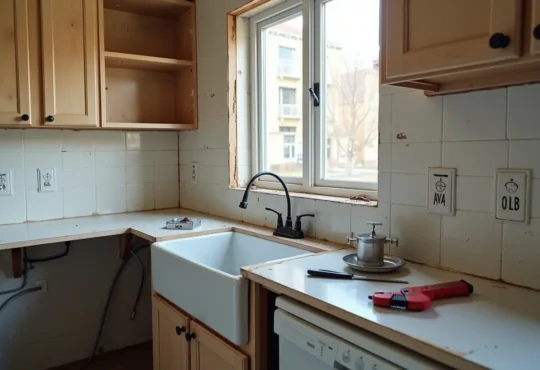
There are limits to what a homeowner can appraise for themselves. Obvious problems – a leaking faucet, a scuffed wall, a stiff door – are easy to notice. What’s more difficult is detecting electrical degradation in circuits that haven’t yet shorted, sub-floor moisture that won’t become apparent until planks begin to warp, or early-stage wood rot behind a wall hidden by aesthetically pleasing paint.
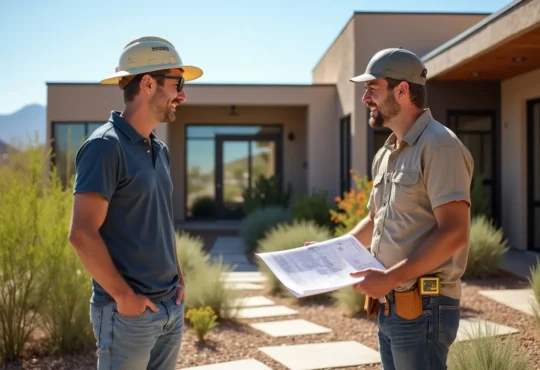
Professional inspections bridge that divide. An expert appraiser can catch issues while they’re still minor and inexpensive to remedy, before they turn structural. For landlords, this isn’t a nice-to-have; legal expectations mean properties have to meet specific safety requirements, and records from professional inspections are protection against claims.
When it comes to major refurbishment or ongoing maintenance, firms like WDI Group (Surrey) Ltd supply the type of professional knowledge that constitutes more than general maintenance – a level of service that ensures your high-value assets remain in top condition, rather than just looking okay.
The Building Envelope Comes First
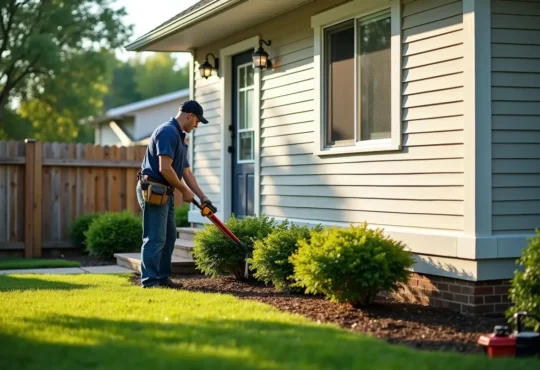
The exterior of a property does more than create curb appeal. It’s the first line of defense against everything that damages a building from the inside out.
Roofing, gutters, drainage, window seals, external render – these components make up what’s called the building envelope, and their condition directly determines what happens to interior spaces over time. Water is the primary enemy. Once it gets in, it causes rot, mold, and eventually structural damage. Subsidence risk increases when drainage is consistently poor and soil around foundations becomes unstable.
Spending on exterior maintenance isn’t cosmetic. It’s protective. A sound roof and clear drainage system prevent a category of interior damage that’s far harder and more expensive to reverse than it was to prevent.
The Appraisal Problem No One Talks About
Property appraisers don’t merely consider a property’s location, square footage, and number of rooms. They physically evaluate the core systems – heating, plumbing, roofing, electrics. That’s why a property in poor condition will never achieve the market price its exact equivalent – in a better state of repair a few streets away – will. Because it costs more to bring it up to standard.
Failing to keep the outside of a property in good repair typically knocks 10-15% off its realisable value at point of sale (as per the Royal Institution of Chartered Surveyors). So, up to £75,000 on a £500,000 property. Not because of where the house is situated. Purely because external maintenance was neglected, and that doesn’t let buyers off reasoning that if the visible stuff is ugly or poorly maintained, then the unseen stuff is probably worse.
Maintenance Is The Work That Doesn’t Look Like Work
Homes that are in a good resale position, valued well, and keep their value on the market, usually were owned by people who took good care of the property over the years and not only before putting it on the market. The small repairs and improvements they had to make because bigger issues were dealt with early, those tend not to be noticed by anyone, and that’s the best-case scenario.



 Hi I'm Joe.